When the Big Name Swallows You Whole: Surviving the Collaboration Trap

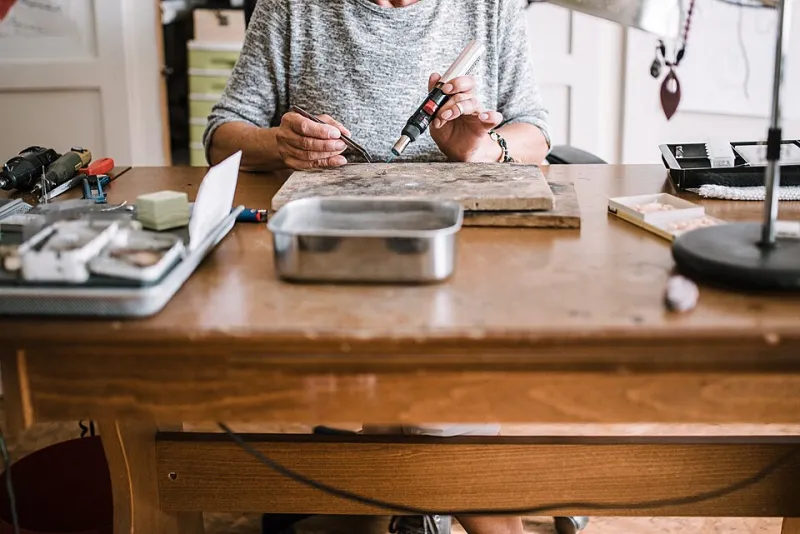
Photo: Ricardovfo, CC BY-SA 4.0, via Wikimedia Commons
There's a moment almost every creator knows. You get the email, the DM, the casual mention over coffee — someone with a bigger platform wants to work with you. Your stomach does a little flip. You say yes before you've even read the whole message.
And honestly? That instinct makes complete sense. Collaboration with an established name feels like a ladder rung. Exposure, credibility, a new audience that wouldn't have found you otherwise. The math seems obvious.
Except the math is usually wrong.
The Invisible Price Tag on Borrowed Clout
Here's what nobody talks about in those "how I blew up from one collab" posts: the version of you that shows up in someone else's project is almost never the most interesting version of you.
Think about how collaborations actually work in practice. You're on their turf. Their audience has expectations. Their team has preferences. Their brand has guardrails. And because you're the one who needs this more — or at least that's the power dynamic at play — you're the one who adjusts.
A little here. A little there. You soften the rough edge that makes your work yours. You swap your instinct for their approval. By the time the project drops, you're a supporting character in someone else's story.
The audience that discovers you through that collab? They fell in love with a version of you that doesn't really exist. And when they come to your solo work, they bounce — because it doesn't match what they signed up for.
Real Patterns, Recognizable Damage
You don't have to look hard to find examples. In the podcast world, independent hosts with sharp, niche perspectives have partnered with larger media networks — only to watch their tone get committee-approved into something safe and generic. The downloads went up briefly. The community they'd spent years building quietly drifted.
In the film space, emerging directors who've built a distinctive visual language through shorts or indie features sometimes get tapped for a bigger project by a more established producer. The credit looks great on paper. But when you watch the final cut, you can feel where their instincts got overruled. It's technically fine. It's also completely anonymous.
This isn't about blaming the bigger name. They're often just doing what they do. The problem is that you walked in without a clear enough sense of what you weren't willing to give up.
The Question Nobody Asks Before Signing On
Most creators evaluate a collaboration opportunity by asking: What do I get? Exposure, money, access — those are the metrics on the table.
The better question is: What do I have to become to make this work?
If the honest answer involves shrinking your perspective, softening your voice, or producing something you'd be embarrassed to claim as fully yours — that's your signal. No amount of follower spillover compensates for the erosion of your creative identity. Reputation is slow to build and fast to blur.
A Simple Framework for Evaluating Any Partnership
Before you commit to a collaboration — with a big name or anyone else — run it through these four filters.
1. Does my voice survive the brief? Read the project outline and ask whether there's room for the thing that makes your work distinctly yours. If the answer is "sort of, if I adjust a few things," that's a no.
2. Who's the audience actually discovering? If their audience is going to encounter a watered-down version of you, you're not gaining fans — you're gaining confused strangers. The best collaborations send people to your solo work and make them feel like they already know you.
3. Is the creative control documented or just implied? Vague promises of "creative freedom" mean nothing once production starts and someone's paying the bills. If you can't point to where your final say lives in the agreement, you don't have it.
4. Would you be proud of this if their name weren't attached? Strip away the clout. Imagine the project exists in a vacuum with your name on it alone. Are you excited? Or are you mostly excited about the association? That distinction matters more than people admit.
The Collaborations Worth Saying Yes To
None of this means you should work alone forever. The right partnerships are genuinely transformative — they push your thinking, expose you to new craft, and send you back to your own work with better questions.
Those collaborations tend to share a few things. There's a genuine creative overlap, not just an audience overlap. Both parties come in with something to offer and something to learn. The project couldn't have been made by either person alone, which means it doesn't erase either person — it becomes something new that still sounds like both of you.
When you find that? Say yes fast. Those are rare.
Protect the Thing That Makes You Worth Collaborating With
Here's the irony of the big-name trap: the reason someone with a bigger platform wants to work with you is usually because you have something they don't. A perspective. An aesthetic. An audience that trusts you in a specific way.
The moment you sand that down to fit their mold, you've eliminated the very thing that made the collaboration interesting. You've traded your competitive advantage for a logo on a thumbnail.
Your creative voice isn't just your artistic identity — it's your business asset. Guard it like one. The right collaborators will respect it. The wrong ones will ask you to check it at the door.
You already know which kind to choose.